
ExxonMobil, a global energy giant and a major component of the MSCI World Index, has initiated commercial carbon capture and storage (CCS) operations in Louisiana, marking a significant milestone in the company's low-carbon business strategy. The facility, which entered service in 2025, represents ExxonMobil's first commercial CCS project in the region and establishes a critical infrastructure hub for industrial decarbonization along the Gulf Coast.
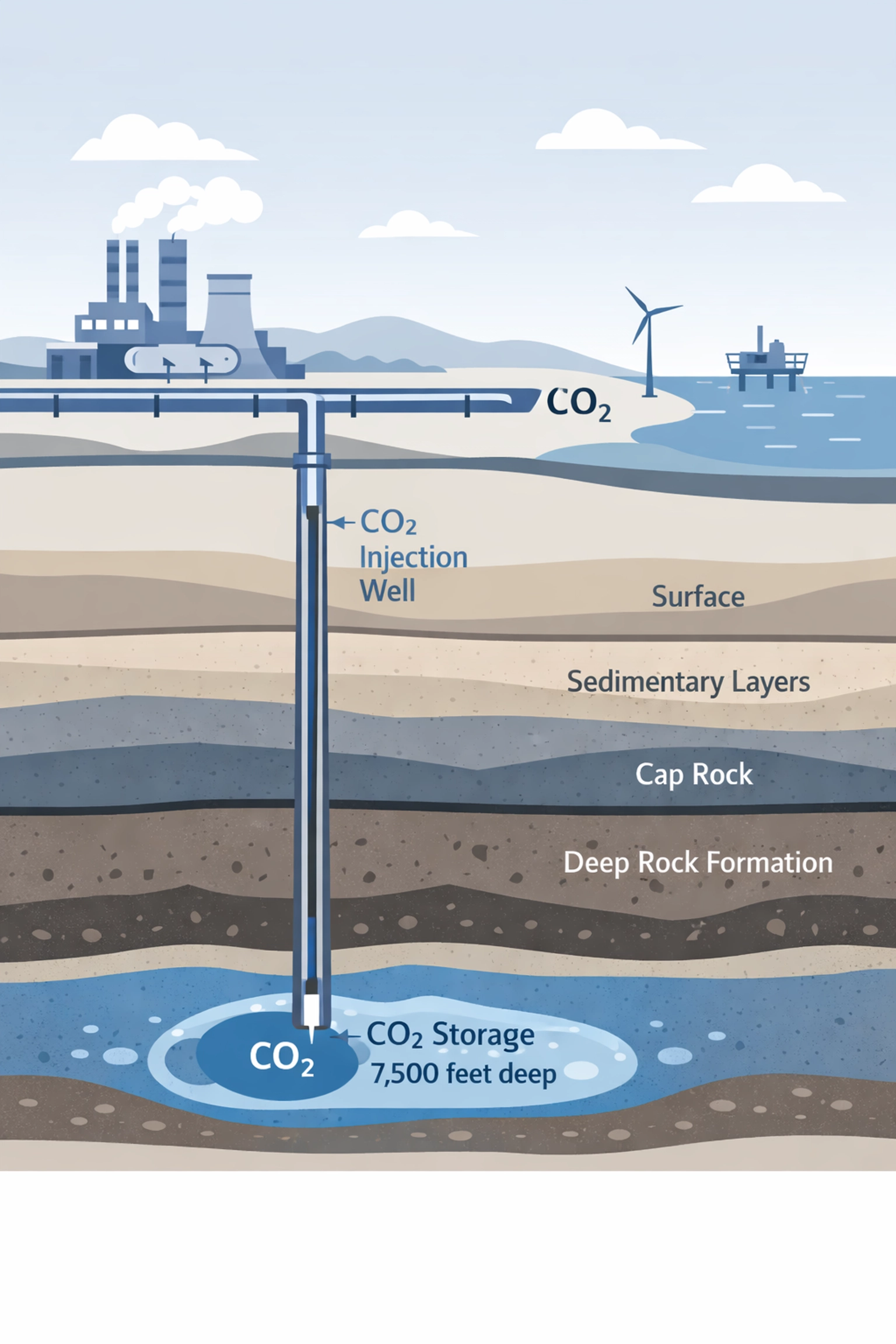
The project captures carbon dioxide emissions from CF Industries' Donaldsonville manufacturing complex, one of the world's largest ammonia production facilities. Through an existing pipeline network, ExxonMobil transports up to 2 million metric tons of CO2 annually to its Rose Carbon Capture and Storage Hub in East Texas, where the carbon is permanently stored approximately 7,500 feet underground in deep geological formations. The Environmental Protection Agency granted ExxonMobil the necessary permit for underground injection at the Rose Hub in October 2025, establishing the site as a permanent storage center for carbon captured from industrial plants connected to the Gulf Coast pipeline network.
Expanded Client Portfolio and Contracted Capacity
ExxonMobil has rapidly expanded its CCS client base beyond the initial CF Industries partnership, signing agreements with six customers representing approximately 9 million tons per year of contracted carbon dioxide. The company's CCS portfolio now spans multiple hard-to-abate industries, including ammonia production, natural gas processing, industrial gases, and steel manufacturing: sectors that face significant challenges in reducing emissions through conventional electrification or renewable energy adoption.
The diversified customer base demonstrates the scalability of ExxonMobil's CCS infrastructure and its potential to serve as a regional decarbonization solution for Gulf Coast industrial operations. The 9 million tons of annual contracted capacity represents a substantial portion of industrial emissions in the region and positions ExxonMobil as a major player in the emerging carbon management services sector.
Pipeline of Projects Through 2027
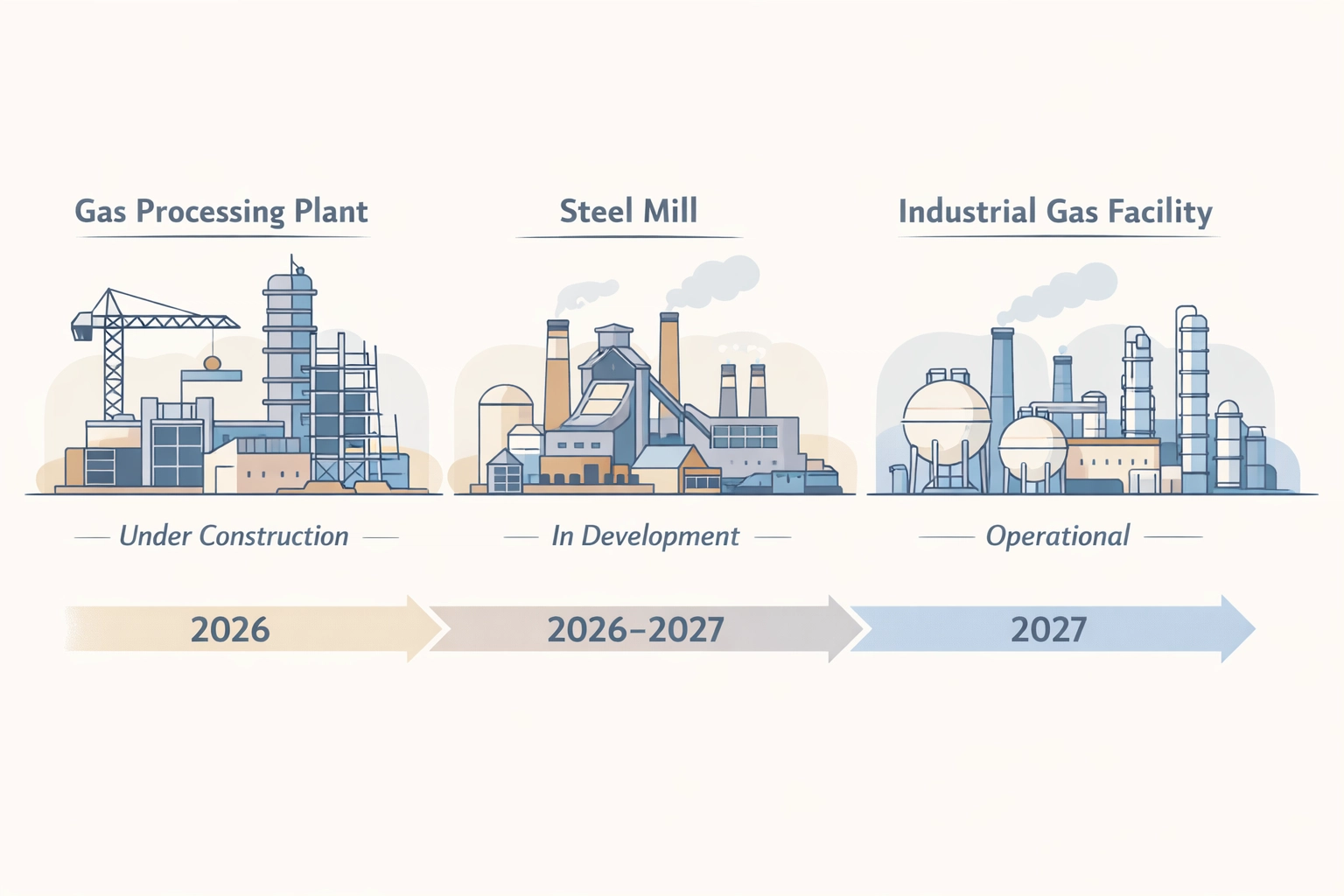
ExxonMobil expects to commission three additional CCS projects throughout 2026, significantly expanding its operational capacity. The New Generation Gas Gathering natural gas processing plant in Louisiana will capture 1 million metric tons of CO2 annually, addressing emissions from natural gas processing operations. In the second half of 2026, projects with Linde, an industrial gas processor in Baytown, Texas, and Nucor, a steel manufacturer near Baton Rouge, will collectively handle 3 million metric tons of carbon dioxide annually.
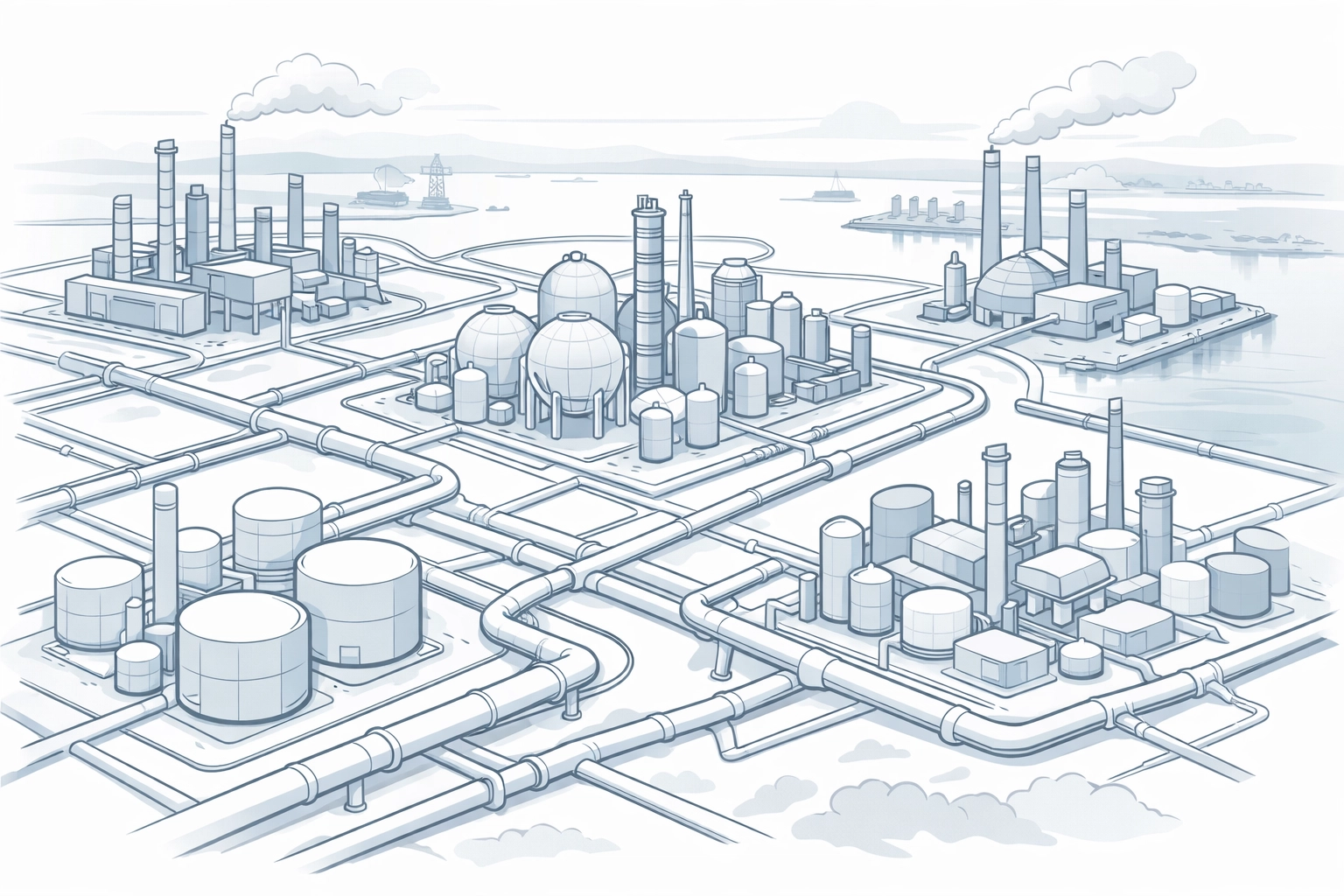
The company has also signed contracts with AtmosClear and Lake Charles Methanol II, with operations expected to begin in 2027. These agreements further diversify ExxonMobil's CCS customer base and extend the geographic reach of its carbon capture infrastructure. The phased rollout of projects reflects both the technical complexity of integrating CCS technology into existing industrial operations and the coordination required to build supporting pipeline and storage infrastructure.
Integration with Low-Carbon Business Strategy
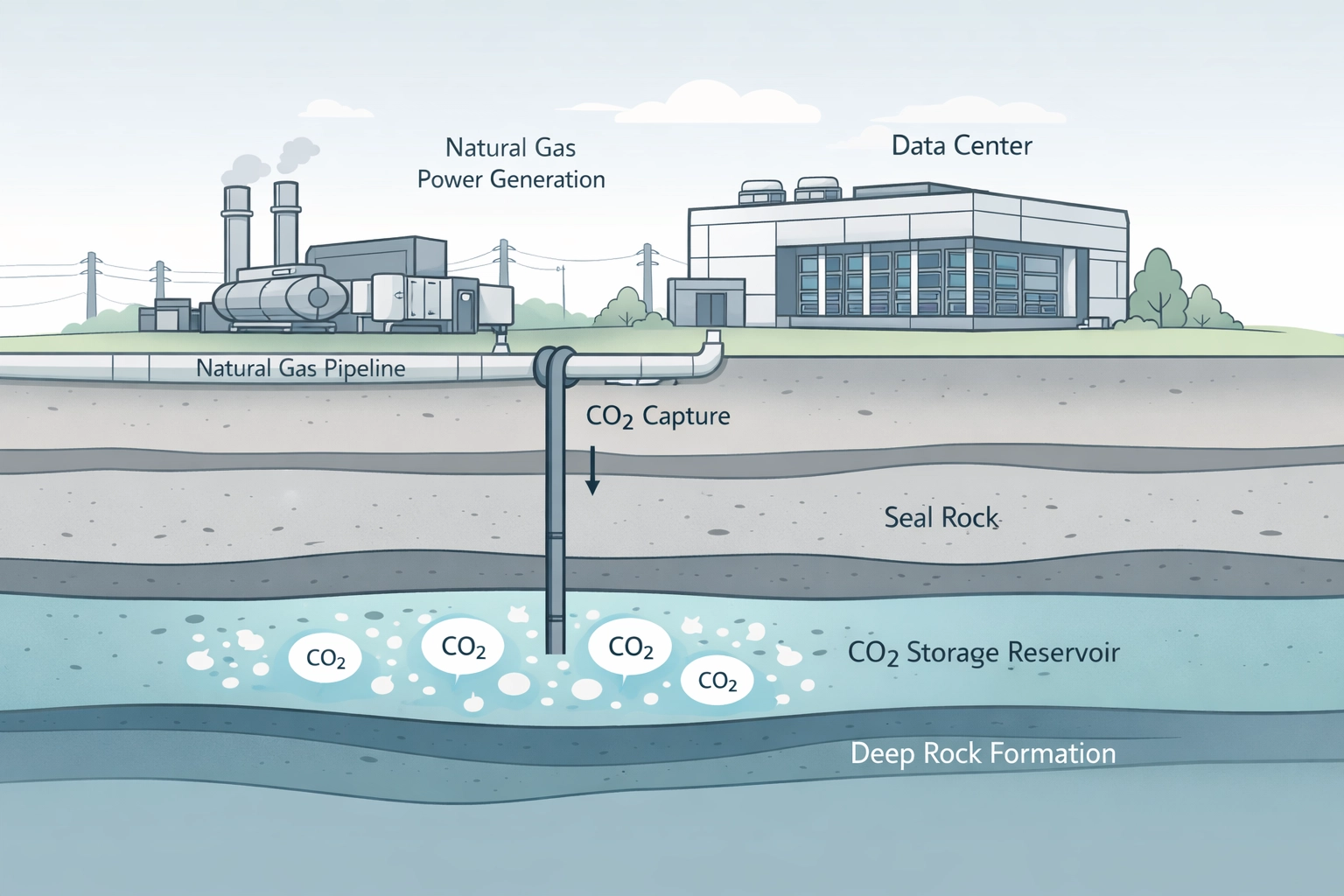
The commercial launch of CCS operations aligns with ExxonMobil's broader strategy to develop low-carbon business lines while maintaining its core energy operations. The company is targeting a final investment decision by the end of 2026 on its first Low Carbon Data Center, which would use natural gas to generate power alongside carbon dioxide capture and sequestration. This approach represents an attempt to address the growing energy demands of data centers while managing associated carbon emissions through integrated CCS technology.
ExxonMobil has committed to achieving net-zero Scope 1 and Scope 2 emissions from its operated assets by 2050, and the development of commercial CCS capabilities provides both a decarbonization pathway for its own operations and a potential revenue stream from servicing third-party industrial emitters. The company has positioned carbon capture and storage as a critical technology for achieving economy-wide decarbonization goals, particularly for industrial sectors where alternative mitigation options remain limited or economically unviable.
Technical and Regulatory Considerations
The Rose Carbon Capture Hub utilizes Class VI wells permitted under the Environmental Protection Agency's Underground Injection Control program, which establishes stringent requirements for the long-term storage of carbon dioxide. The EPA's permitting process includes extensive geological characterization, monitoring and verification protocols, and financial assurance requirements to ensure permanent sequestration. The October 2025 permit approval followed a multi-year review process and represents one of the first Class VI permits issued for a commercial-scale CCS operation in the Gulf Coast region.
The existing pipeline infrastructure connecting industrial facilities to storage sites provides a significant advantage for scaling CCS operations in the region. ExxonMobil's ability to leverage existing assets reduces the capital intensity of new projects and accelerates deployment timelines compared to greenfield infrastructure development. The company's technical expertise in subsurface operations, developed through decades of oil and gas production, translates directly to the geological assessment and well operations required for carbon storage.
Market Context and Industry Implications
The commercial launch of ExxonMobil's CCS operations occurs amid growing policy support for carbon management technologies, including tax credits under the U.S. Inflation Reduction Act's 45Q provision, which provides up to $85 per metric ton for carbon captured and permanently stored. These financial incentives significantly improve the economic viability of CCS projects and have catalyzed investment across the sector.
Industrial emitters face increasing pressure to reduce carbon footprints from regulatory requirements, investor expectations, and corporate net-zero commitments. For many heavy industries, carbon capture represents the most technically feasible near-term decarbonization option. ExxonMobil's development of third-party CCS services addresses this market demand and positions the company to capture value from the energy transition beyond its traditional upstream and downstream operations.
The 9 million tons of contracted annual capacity, while substantial, represents a fraction of total Gulf Coast industrial emissions and indicates significant growth potential for carbon management services. Industry analysts project that achieving net-zero emissions across industrial sectors will require billions of tons of annual carbon capture capacity globally by mid-century, suggesting that current projects represent early-stage infrastructure development in what could become a major industrial segment.
Path Forward and Strategic Positioning
ExxonMobil's CCS portfolio reflects a strategic bet that carbon management technologies will play a central role in industrial decarbonization and that the company's technical capabilities and infrastructure assets provide competitive advantages in this emerging market. The commercial launch with CF Industries validates the technical and economic feasibility of the business model and establishes operational track records that could facilitate additional customer agreements and project financing.
The company's 2050 net-zero commitment for operated assets and its development of low-carbon business lines reflect broader trends across the energy sector as companies navigate the transition toward lower-carbon energy systems. The success of ExxonMobil's CCS operations will depend on maintaining operational reliability, managing costs, securing additional customers, and navigating evolving regulatory frameworks for carbon management.
To read more about ExxonMobil's carbon capture operations and the company's low-carbon strategy, check out the original coverage at Carbon Herald.
