
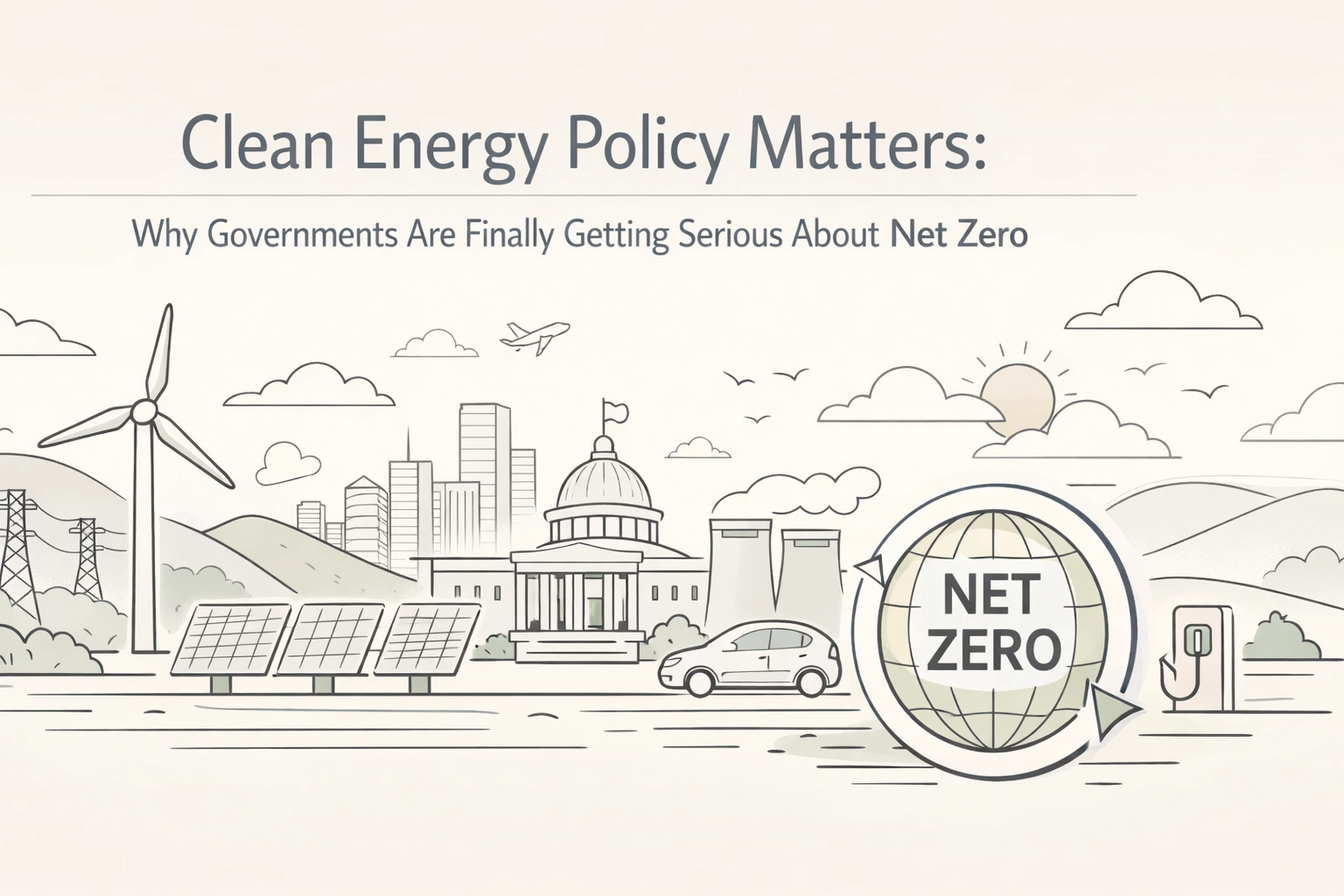
Here's the thing about government climate commitments in 2026: they're everywhere, but they're also kind of all over the place. The U.S. Federal Government rolled out its Net-Zero Government Initiative promising 100% carbon pollution-free electricity by 2030 and net-zero operations by 2050. The UK passed the Great British Energy Act to create a government-owned clean energy company. Even the UN is pushing for nearly 50% emissions cuts by 2030. On paper, it looks like everyone's finally on board.
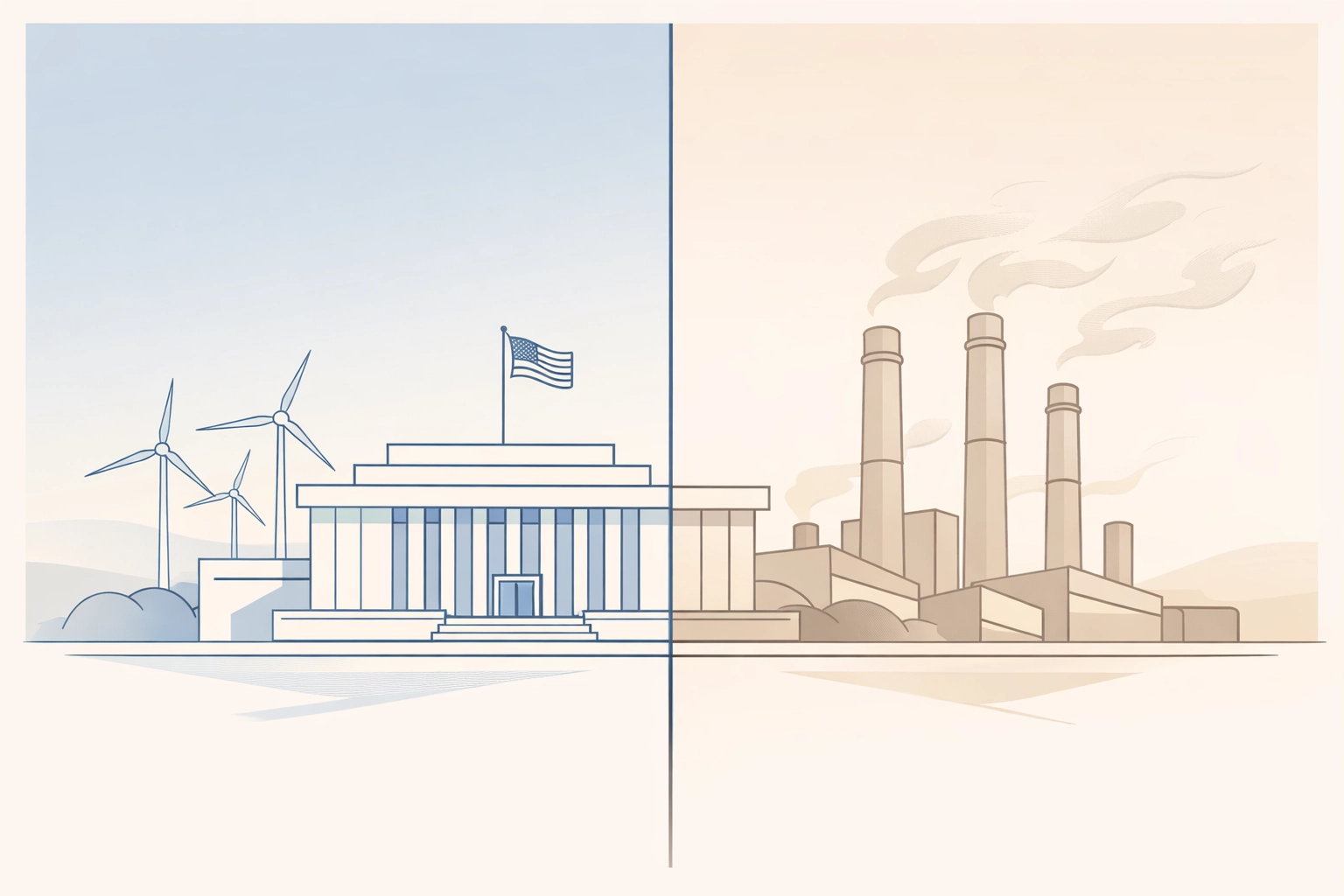
But hold on, there's a twist. While these commitments are flowing in, so are the policy rollbacks. The Trump Administration's OBBB legislation from July 2025 actually eliminated key federal EV tax credits and cut $4.7 billion in transportation decarbonization funding. Energy analysts now expect wind and solar capacity additions to be cut in half by 2035 compared to earlier projections. So yeah, governments are talking a big game, but the actions don't always match the press releases.
The private sector isn't waiting around, though. At COP30, global utilities announced nearly $150 billion in near-term clean energy investments, potentially scaling to over $1 trillion as infrastructure expands. Companies like eBay committed to net-zero emissions across their entire value chain by 2045, with Science Based Targets validation to back it up. When corporations are moving faster than governments, you know something's shifted in the climate conversation.
So are governments getting serious about net zero? The honest answer is: sort of. There's genuine momentum in some places: real legislation, real money, real targets. But there's also backtracking, policy whiplash, and mixed signals that make it tough to call 2026 a clean win for climate policy. The transition is happening, just not in a straight line.
