
The Hype vs. Reality Check We've All Been Waiting For
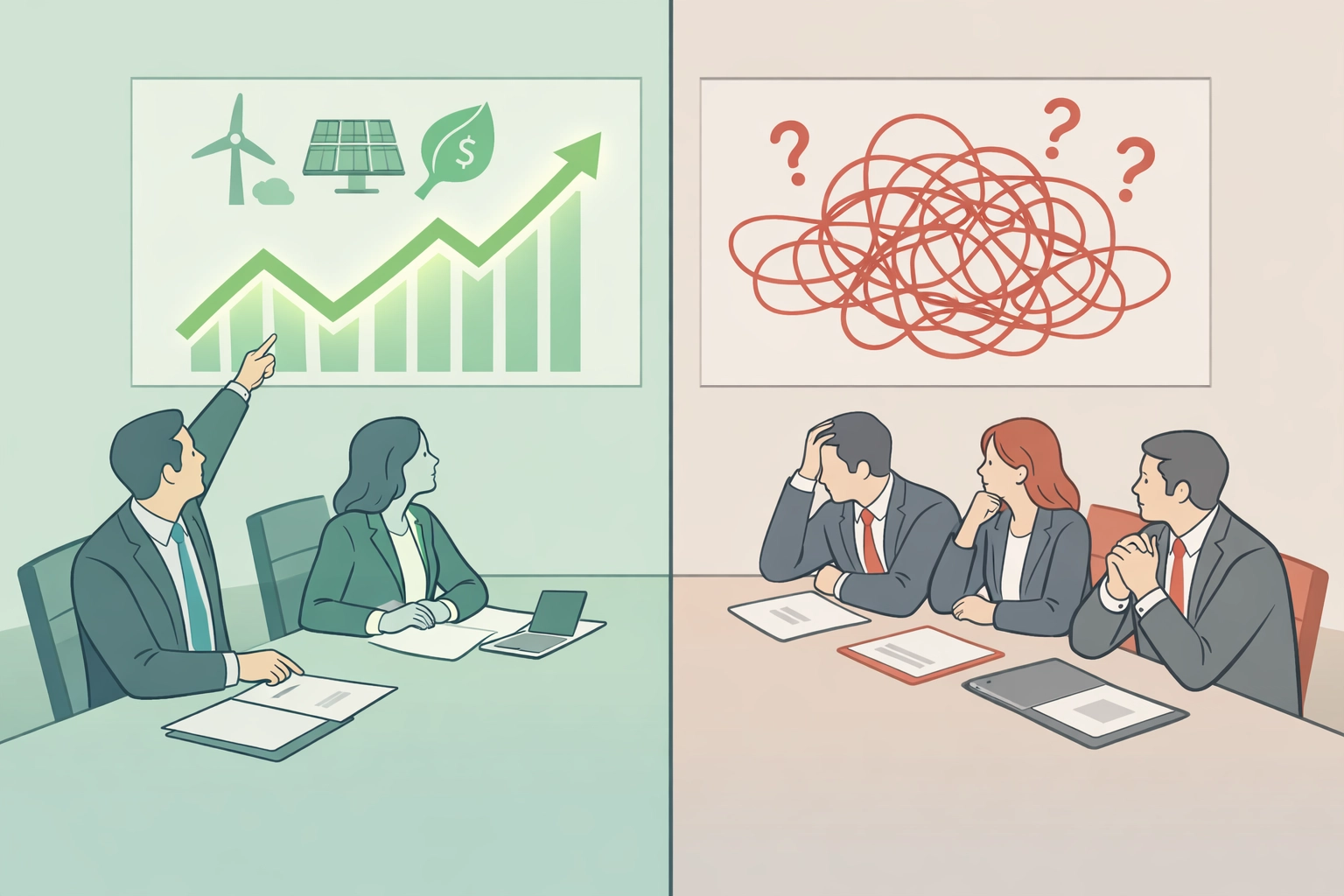
Corporate net-zero commitments have been flooding in for years now, but 2026 is shaping up to be the moment when the rubber finally meets the road. Companies that made bold climate pledges back in 2020 and 2021 are now facing a harsh truth: promising to hit net zero by 2050 is one thing, but actually putting money and strategy behind it is something else entirely. The gap between what companies are saying and what they're actually doing has never been more obvious, and stakeholders are starting to call BS on targets that aren't backed by real action.
Here's what's actually happening on the ground. Some companies are nailing it with structured plans, validated targets, and serious capital deployment. Others are discovering that their ambitious pledges were written in a moment of climate optimism that's since collided with messy realities like supply chain complexity, limited technology solutions, and shifting political winds. The corporate climate landscape in 2026 isn't a simple success story or a failure narrative: it's a mixed bag that's finally getting honest about what decarbonization really takes.
What's Actually Working: The Bright Spots
Science-Based Targets Are Becoming the Gold Standard
The Science Based Targets initiative (SBTi) has emerged as the real MVP of corporate climate accountability. About 2,200 companies now have validated science-based net-zero commitments targeting 2050 or sooner, with another 2,800 working their way through the validation process. That's serious momentum. The updated Corporate Net-Zero Standard: with a final draft expected in spring 2026: is tightening up the metrics for Scope 1, 2, and 3 emissions and introducing better ways to track actual progress instead of just future promises.
What makes SBTi effective is that it forces companies to show their math. You can't just announce a vague "net zero by 2050" goal and call it a day. You need interim targets, you need to account for your entire value chain, and you need third-party validation. Companies like eBay are getting with the program: they committed in January 2026 to hit net-zero emissions across their entire value chain by 2045, with aggressive 2030 interim targets calling for 90% reductions in direct and energy-related emissions. That's the kind of specificity that separates real climate strategy from corporate greenwashing.
Big Money Is Starting to Flow (Finally)
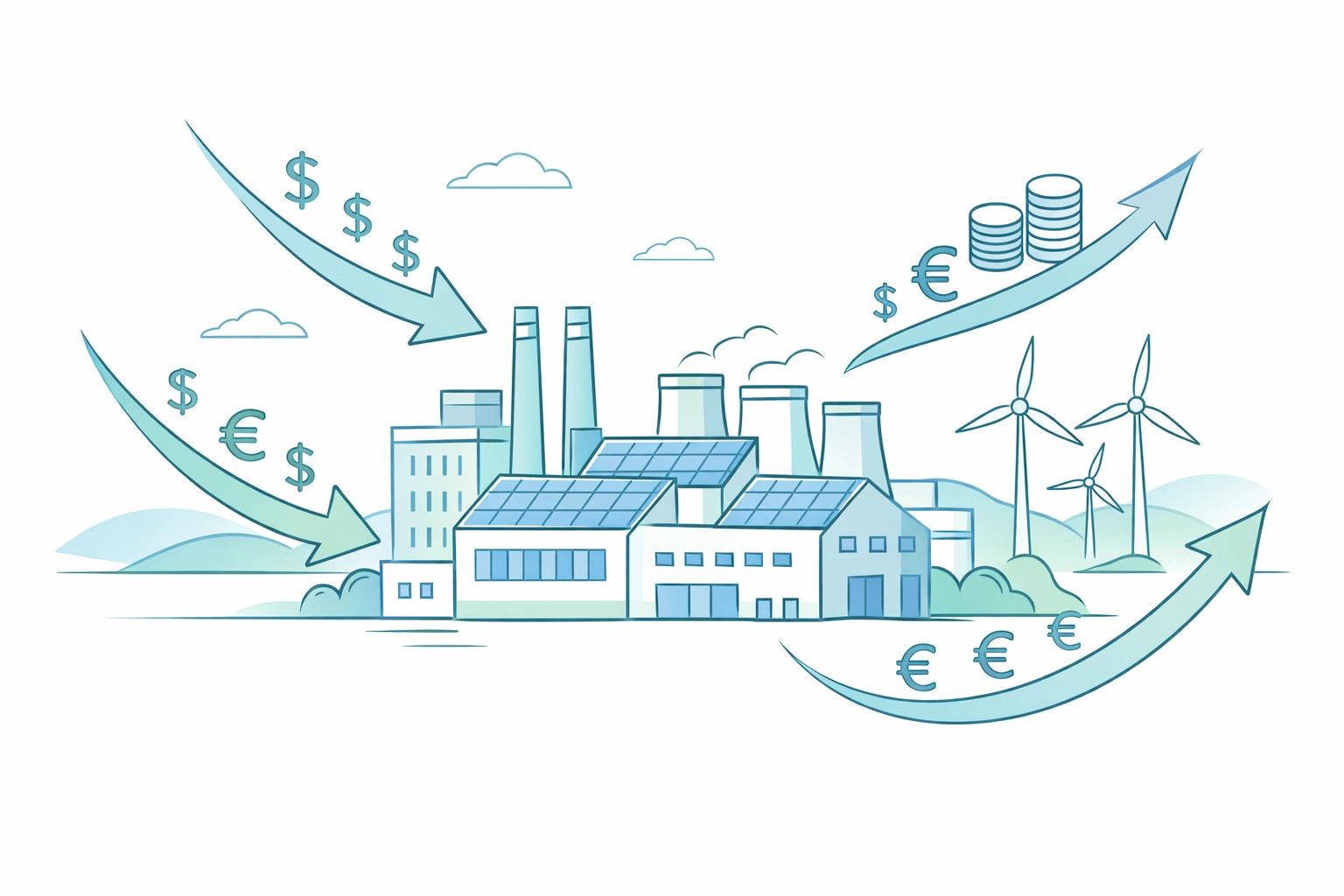
At COP30, global utilities outlined plans for nearly $150 billion in near-term clean energy investments, scaling to over $1 trillion as the infrastructure matures. That's not pocket change: it's the kind of capital deployment that can actually shift emission trajectories. When companies start putting billions of dollars behind decarbonization rather than just issuing press releases about their climate commitments, you know something fundamental is shifting. The willingness of major corporations to fund grid upgrades, renewable infrastructure, and clean technology development shows that at least some of the net-zero momentum has moved from the marketing department to the CFO's office.
Comprehensive Value Chain Strategies Are Replacing Narrow Operational Fixes
The most successful companies in 2026 aren't just focusing on their own direct emissions: they're tackling the entire value chain, including suppliers, logistics, and even customer use of their products. This reflects a maturation in how businesses understand their climate impact. You can't claim climate leadership if you've optimized your headquarters' energy use but ignore the fact that 90% of your emissions come from upstream suppliers or downstream product usage. Companies that take Scope 3 seriously (even though it's messy and hard to measure) are the ones building credible long-term strategies. If you're struggling with Scope 3 reporting, here's a deeper look at closing that data gap.
What's Not Working: The Inconvenient Truths
The Legitimacy Gap Is Real and Growing
Here's the uncomfortable part: most corporate net-zero pledges are not backed by proportional investment or operational change. Independent research consistently reveals that only a small fraction of companies are aligning their capital spending with their climate priorities. Translation? Lots of companies have targets that sound impressive in an annual sustainability report, but when you look at where they're actually directing resources, the climate commitments are nowhere near the top of the list. Data from Climate Action 100+: which tracks engagement with the world's highest-emitting companies: shows that while climate accounting and policy engagement have improved, substantial performance gaps remain. Pledges are outpacing action by a wide margin, especially in carbon-intensive sectors that face real structural barriers to decarbonization.
This legitimacy gap isn't just an academic concern. It creates reputational risk, regulatory risk, and investor skepticism. As disclosure requirements tighten (like the EU's CSRD, which we've covered here), companies that can't demonstrate real progress behind their targets are going to get exposed. Stakeholders are getting smarter about the difference between a genuine decarbonization roadmap and a corporate communications exercise.

Supply Chain Barriers Are a Bigger Problem Than Anyone Wants to Admit
Even companies with the best intentions are running into roadblocks they can't control. Supply chain decarbonization is proving to be a nightmare because many suppliers: especially smaller ones: lack the resources, data infrastructure, or technical capacity to measure and reduce their own emissions. As sustainability consultants are pointing out, "financial limitations" and "a lack of solutions in the supply chain" are major blocking factors. Companies can optimize their own operations all they want, but if their suppliers can't or won't decarbonize, those Scope 3 emissions are staying put.
This reality is forcing companies to get creative with tiered targets. Agilent Technologies, for example, set a plan to reduce Scope 3 emissions by at least 30%, with a "stretch goal" of 40%: reflecting genuine uncertainty about what's achievable given the limitations of their supply network. That kind of honest target-setting is better than pretending supply chain transformation is easy, but it also signals that many corporate net-zero plans are contingent on factors outside any single company's control.
Political and Market Headwinds Are Making Targets Look Unrealistic
The climate policy environment that gave birth to many of these corporate commitments is shifting. Political enthusiasm for the Paris Agreement is waning in some regions, and the pace of financial and technological solutions hasn't kept up with the ambition of 2020-era pledges. Targets that seemed reasonable three or four years ago now look increasingly difficult to hit. Companies are being forced to refine the internal business case for climate action, moving the conversation away from "regulatory compliance" and toward "climate-related value risk management." That's not necessarily a bad shift: tying climate strategy to long-term business resilience makes sense: but it also reflects the fact that the easy political and social momentum behind net-zero commitments has cooled.
Carbon Credit Quality Is Becoming a Major Issue
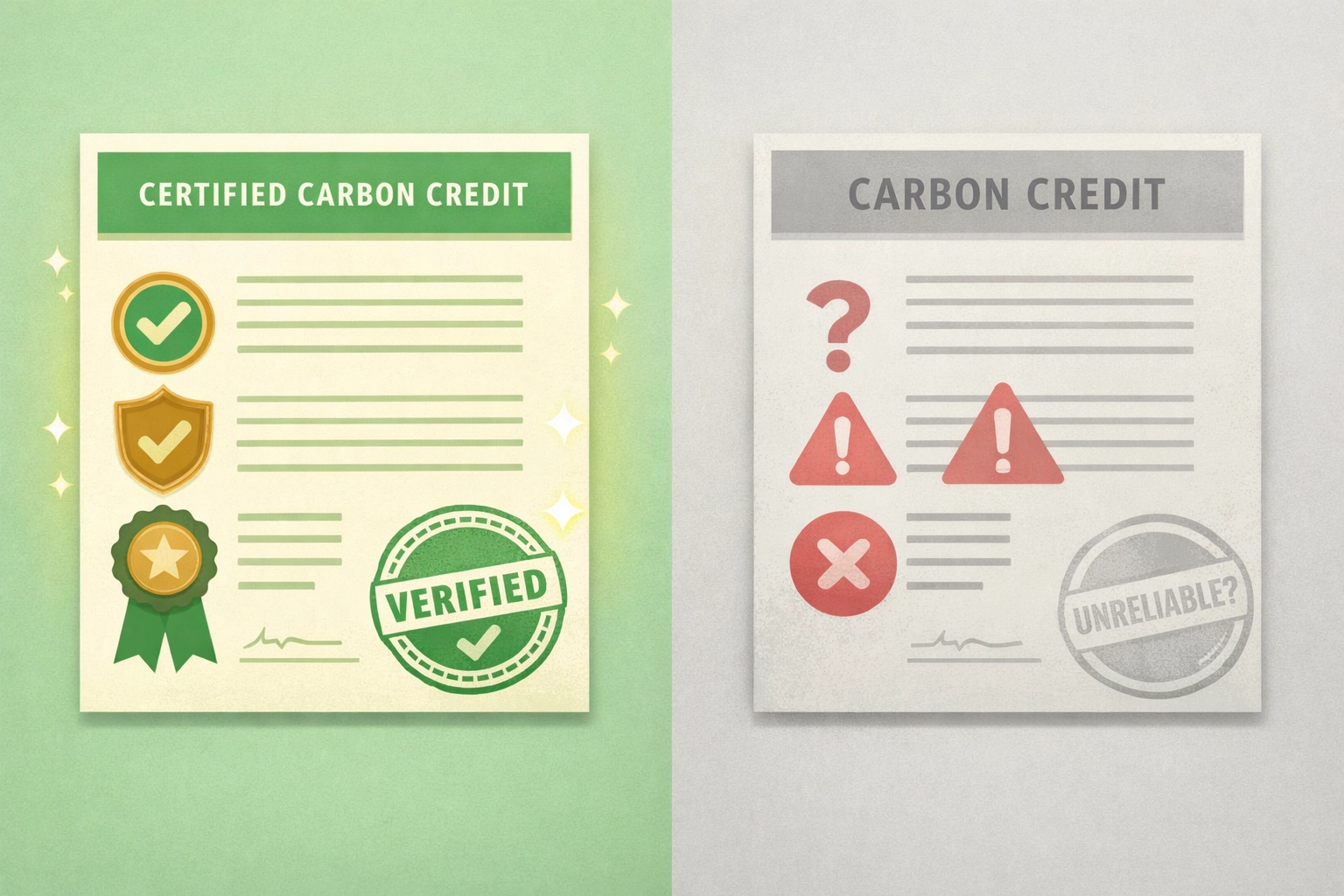
Here's a stat that should raise eyebrows: 42% of Fortune Global 500 companies explicitly plan to use carbon credits to meet their net-zero targets. That's fine in theory, but the quality of those credits is all over the map. The SBTi's updated standard is trying to address this by clarifying what counts as a "high-integrity carbon removal approach," which is basically a polite way of saying that a lot of the carbon credits companies are buying right now don't hold up under scrutiny. We've seen a massive split in the carbon credit market: high-quality removal credits are commanding 300%+ price premiums, while cheap offsets are piling up because nobody trusts them. If your net-zero plan relies heavily on low-quality carbon credits, you're building on a shaky foundation. Investors are getting picky for a reason.
The Bottom Line: 2026 Is the Year of Reckoning
The corporate net-zero story in 2026 is one of maturation: companies are moving from the easy part (making pledges) to the hard part (executing them). What's working is standardization through initiatives like SBTi, serious capital deployment, and comprehensive value chain strategies. What's not working is the persistent gap between ambition and action, supply chain barriers that are largely out of any single company's control, and a carbon credit market that's still sorting out what "high integrity" actually means.
The companies that will come out ahead are the ones that acknowledge these challenges openly, set targets based on realistic assessments of what's achievable, and invest in decarbonization even when the political and market winds shift. The ones that treat net zero as a branding exercise rather than a strategic imperative are going to have a rough few years ahead as disclosure requirements tighten and stakeholders demand proof of progress.
For a deeper dive into corporate climate commitments and the factors shaping their success or failure, this analysis from Energy Monitor breaks down the evolving landscape and what it means for the decade ahead.
