
The Regulatory Landscape Just Got A Lot More Complicated
If you thought 2025 was confusing for net zero planning, buckle up. The regulatory environment in 2026 is pulling companies in multiple directions at once, and the mixed signals are making it harder than ever to chart a clear path to decarbonization. On one hand, the EPA is finalizing several rules in early 2026 that could fundamentally reshape emissions standards, including a reconsideration of the 2009 Endangerment Finding for greenhouse gas vehicle standards and clarifications on power plant emissions authority. On the other, we're seeing real momentum on permitting reform and international climate disclosure requirements that could actually accelerate progress.
The result? A regulatory patchwork that requires companies to stay nimble and informed. What works in one jurisdiction might not fly in another, and federal signals are clouding state-level initiatives. But here's the thing: while headlines focus on the confusion, there are genuine opportunities emerging for companies that know where to look.
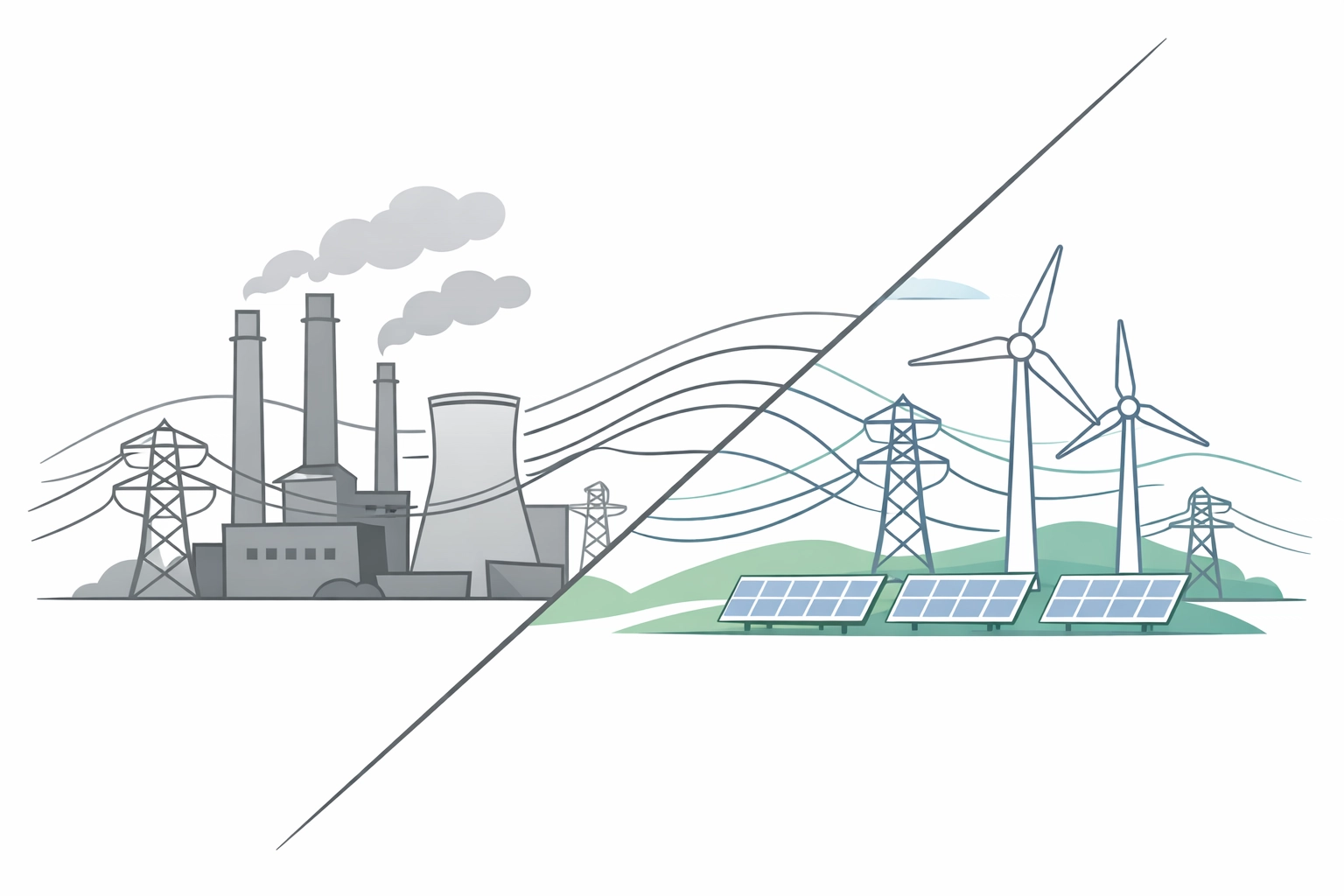
Where The Real Progress Is Happening (And It's Not Where You Think)
Forget waiting for perfect federal clarity. The most actionable progress in 2026 is happening at three levels: corporate commitments, international standards, and infrastructure permitting.
Let's start with the good news. The Science Based Targets Initiative (SBTi) just hit a major milestone: 10,000 companies now have validated net-zero goals, with 2,800 of those validations happening in 2025 alone. The organization also released its updated Net Zero Standard, which is setting the benchmark for corporate climate ambition going forward. This matters because it creates a standardized framework that companies can actually work within, regardless of shifting political winds. When you've got that many major corporations aligned on methodology, it creates momentum that transcends individual regulatory changes.
Meanwhile, international disclosure requirements are accelerating faster than many U.S.-based companies anticipated. China finalized ambitious new climate disclosure rules ahead of schedule, requiring companies to align climate actions with national climate commitments. This isn't just a domestic policy shift, it has ripple effects for any multinational doing business in Chinese markets. Similarly, the EU's Carbon Border Adjustment Mechanism (CBAM) is transitioning from reporting phase to actual enforcement, and India is preparing for carbon market compliance trading in the second half of 2026.
The sleeper opportunity? Permitting reform. The greatest near-term potential for advancing clean energy goals lies in expediting transmission, wind, and solar projects through streamlined permitting processes. The PERMIT Act and related legislation are advancing in Congress, offering reforms to the Clean Water Act and other frameworks that have historically bogged down renewable energy infrastructure. For companies struggling to secure renewable energy contracts or facing long timelines for on-site generation, these reforms could unlock significant progress in 2026-2027.
The Embodied Carbon Revolution You're Probably Missing
Here's something flying under the radar for most sustainability teams: embodied carbon standards are finally catching up to operational emissions. New standards like RESNET in the U.S., expected to roll out in early 2026, specifically address emissions from building construction, a category that represents over one-tenth of global emissions and has historically been ignored in net zero planning.
Why does this matter for your net zero targets? Because if you're in real estate, construction, or any sector with significant capital projects, your Scope 3 reporting just got a lot more comprehensive. Companies that built net zero roadmaps focusing exclusively on operational energy are realizing they've been missing a massive piece of the puzzle. The upside is that embodied carbon standards provide clear methodologies for accounting and reduction, but the downside is you'll need to reassess your baseline and potentially revise your targets.
This connects directly to the tightening requirements we're seeing around carbon accounting more broadly. Regulatory bodies worldwide are getting more sophisticated about distinguishing between genuine reductions and accounting tricks. The days of meeting targets purely through renewable energy credits (RECs) of questionable quality are ending, see our recent coverage on why investors are getting picky about carbon credit quality for more on this shift.

What's Actually Changing At The Federal Level (And What Isn't)
Let's cut through the noise on EPA rules. Yes, there are significant changes underway, but the practical impact for most corporate net zero programs is less dramatic than you'd think from reading headlines. The reconsideration of vehicle emissions standards and power plant authority affects specific sectors more than others: automotive manufacturers and utilities are in the crosshairs, while most service companies and manufacturers won't see direct impacts on their operational emissions targets.
What's more relevant for the average company pursuing net zero? State-level flexibility on reliability standards is now receiving greater consideration in utility planning. This means your utility partners might have more breathing room to manage grid reliability while transitioning away from fossil fuels, but it also means timelines for renewable energy availability could stretch. If your net zero roadmap depends on your utility offering 100% renewable options by a specific date, it's worth revisiting those assumptions in 2026.
The wildcard is foreign content restrictions on clean energy equipment, which become stricter in 2026. For companies planning solar installations, EV fleet transitions, or other clean energy capital projects, supply chain considerations and domestic content requirements could affect both costs and timelines. This isn't a reason to delay projects, but it is a reason to build in more buffer time and work closely with procurement teams on sourcing strategy.
The Bottom Line: Strategy Over Paralysis
Here's the truth that most sustainability consultants won't tell you: waiting for perfect regulatory clarity is a losing strategy. The companies making real progress on net zero in 2026 are the ones building flexible frameworks that can adapt to regulatory changes rather than betting everything on a specific policy outcome.
Focus on the fundamentals that work regardless of shifting rules: improving energy efficiency, engaging suppliers on Scope 3 data (if you're struggling with this, check out our guide on closing your Scope 3 data gap), investing in renewable energy with strong additionality, and building carbon accounting systems that meet the highest current standards. When regulations catch up: and they will: you'll be ahead rather than scrambling.
The regulatory landscape might be messy, but the science and the economics haven't changed. Renewable energy is still getting cheaper, investors and customers still care about climate performance, and the long-term trajectory toward decarbonization remains intact. Companies that treat 2026 as a year to build robust capabilities rather than wait for permission will be the ones that actually hit their 2030 and 2050 targets.
For a comprehensive breakdown of the evolving regulatory environment and what it means for corporate climate strategy, this analysis from industry experts provides additional context on the policy mechanisms shaping net zero pathways.
The new clean energy regulations aren't a roadblock: they're a forcing function that's separating companies serious about decarbonization from those just looking for easy PR wins. Which side of that divide do you want to be on?
