
Digital Twins Are the Shortcut You've Been Looking For
If you're wrestling with how to actually meet your net zero targets without throwing money at every solution that crosses your desk, digital twins might be your answer. Think of them as hyper-realistic video game versions of your real-world assets: factories, office buildings, wind farms, entire power grids: that update in real time with actual operational data. The difference? Instead of playing for fun, you're running unlimited "what-if" scenarios to test decarbonization strategies before spending a dime on implementation.
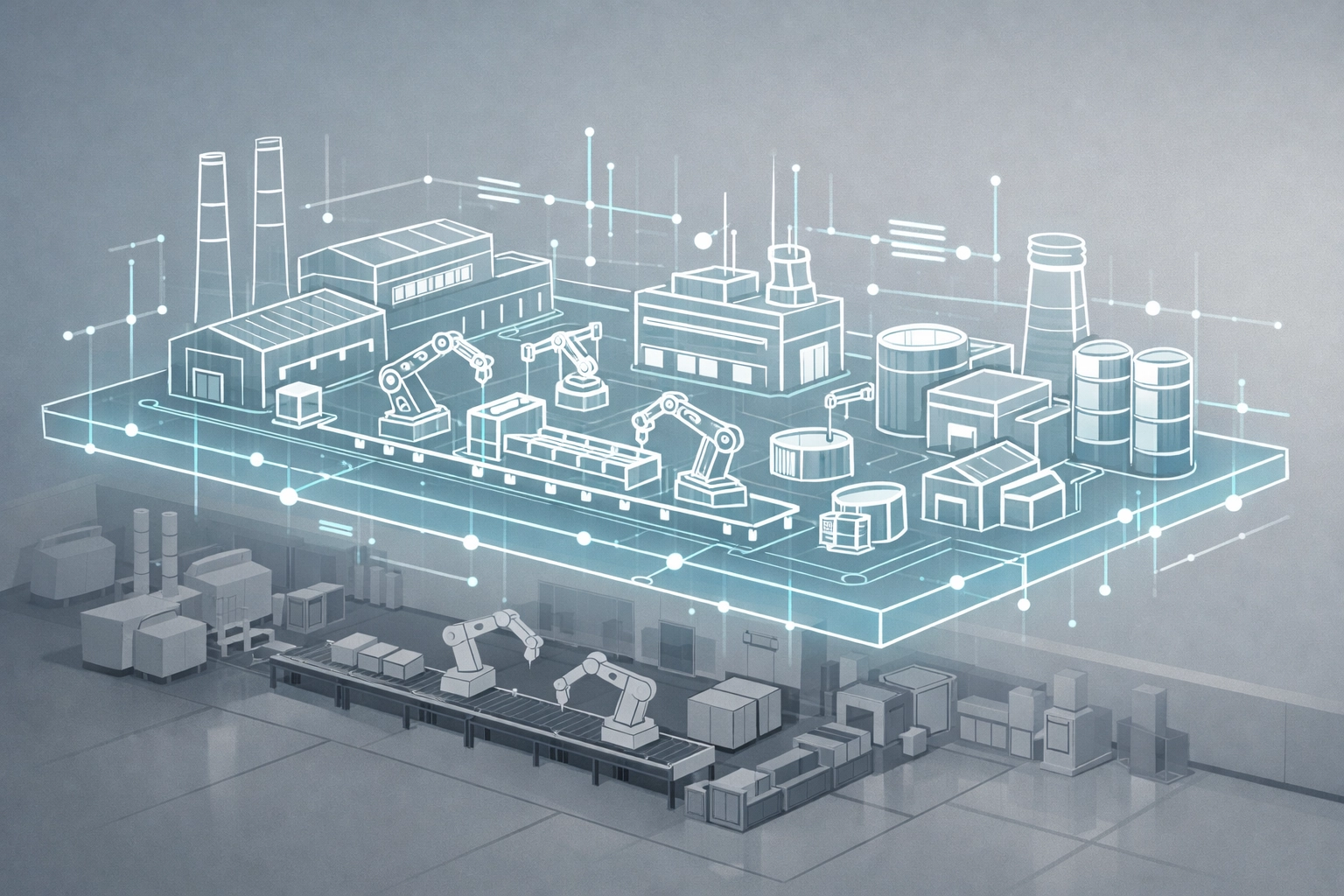
The numbers back this up. Organizations using digital twin technology are seeing 5% to 30% savings in energy, cost, and carbon emissions, with the lower end coming from quick operational tweaks and the higher end from strategic overhauls guided by simulation insights. A consumer goods manufacturer cut energy use by 15% after deploying digital twins to identify inefficiencies. A Bentley-powered facility slashed operational and maintenance costs by 15%. These aren't marginal gains: they're the kind of improvements that make CFOs pay attention and actually fund your net zero roadmap.
Here's why this matters in 2026: you don't control your entire value chain, and Scope 3 emissions are notoriously hard to pin down. But you can control your operations, and digital twins give you x-ray vision into where energy is bleeding out of your facilities. They continuously monitor everything and predict future needs, so you're fixing problems before they become expensive disasters.
AI Is Solving the Renewable Energy Puzzle Nobody Talks About
Renewables are great until the wind stops or the sun sets. Then what? This is where AI steps in to do something most people don't realize is even possible: it's making grids smart enough to handle the chaos of geographically scattered renewable sources without collapsing or wasting energy.
AI forecasts renewable output fluctuations with scary accuracy, and when paired with infrastructure digital twins, it orchestrates thousands of simulations per second to figure out the most stable, cost-effective way to balance supply and demand. The result? Grids can maximize renewable energy intake with minimal waste, which directly translates to lower emissions and lower costs. If you've ever wondered how we're supposed to run an entire economy on solar and wind when they're inherently unpredictable, this is the answer.
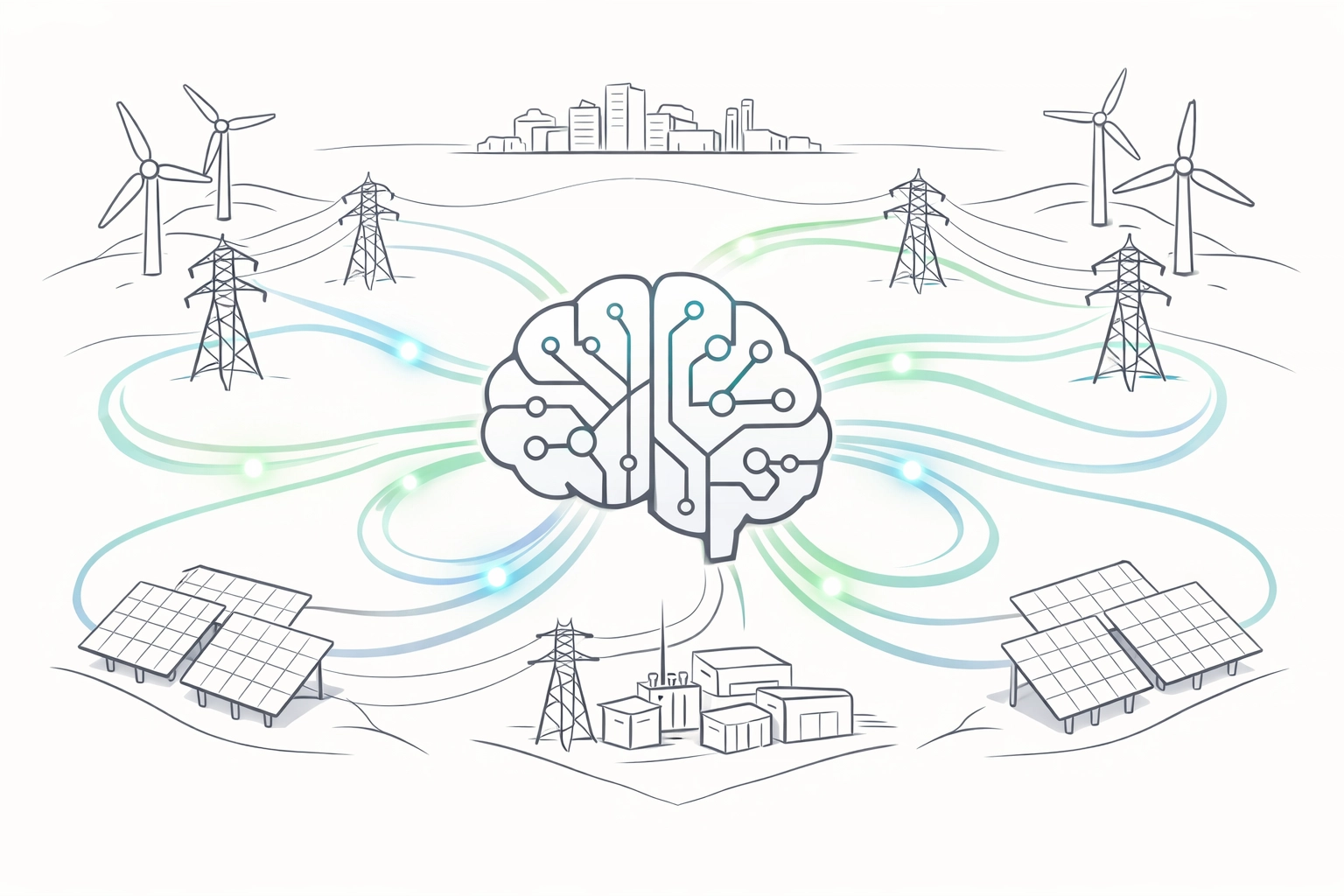
The same technology is revolutionizing load management. AI-driven digital twins can shift your non-essential energy consumption to off-peak times or moments when renewable generation is flooding the grid. That means you're paying less for electricity and reducing grid strain and cutting your carbon footprint: all from smarter timing. It's the kind of no-brainer efficiency play that makes you wonder why everyone isn't doing it yet. (Spoiler: most companies are still stuck in data silos, but we'll get to that.)
Manufacturing and Buildings Get the Biggest Wins
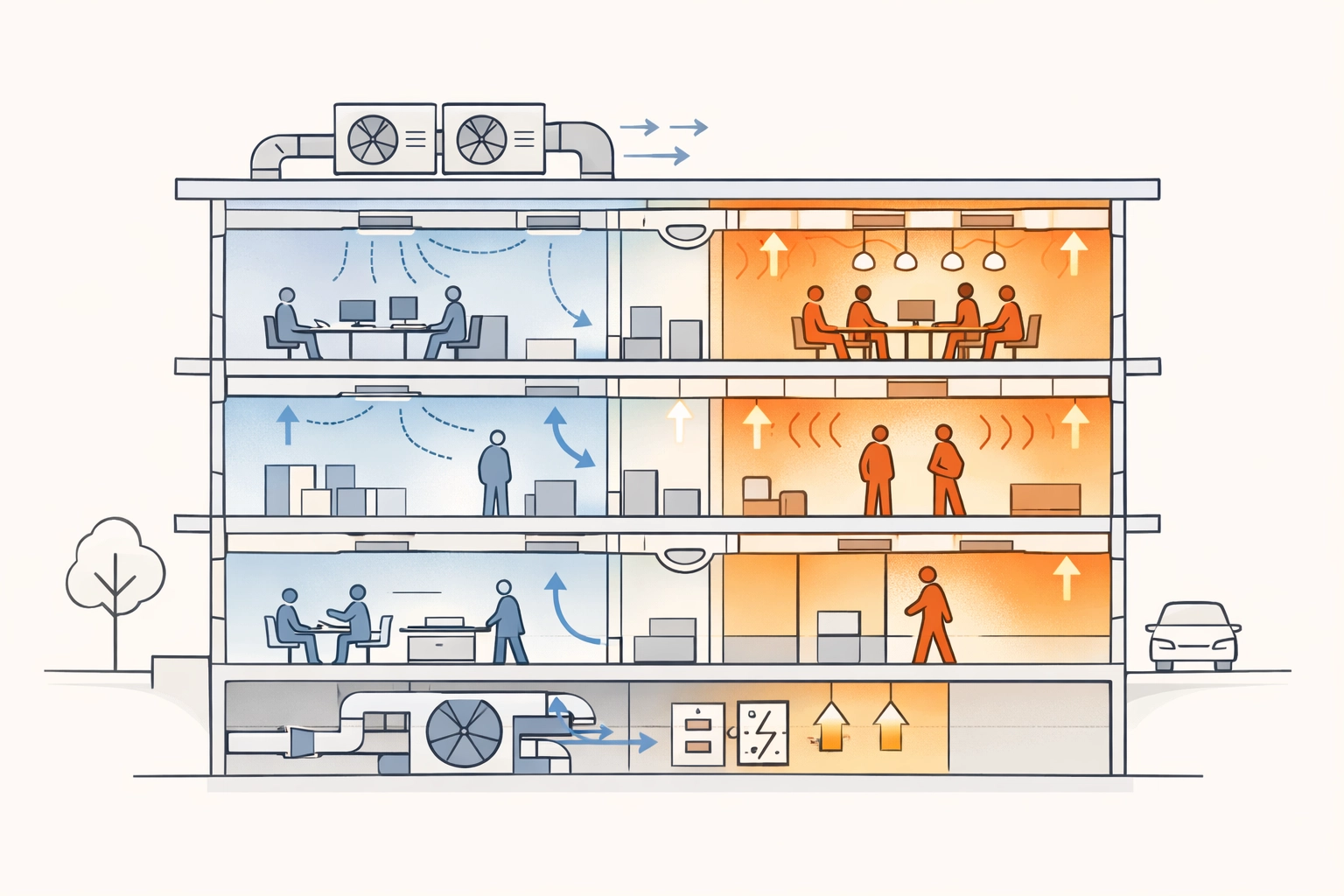
If you're in manufacturing or manage commercial real estate, digital twins are basically cheat codes. They identify hot spots and inefficiencies in production facilities or buildings that human audits would take months to uncover. More importantly, they help you figure out which investments will actually move the needle: whether that's better insulation, heat pump upgrades, solar panels, or equipment replacements.
Let's say you're debating whether to drop $2 million on new HVAC systems or rooftop solar. A digital twin can simulate both scenarios using your actual operational data, local weather patterns, energy prices, and usage profiles. You'll know within days which option delivers better ROI and faster carbon reductions. No guesswork, no consultant fees for a 200-page report you'll never read, just data-driven decisions that work.
The built environment is particularly ripe for this technology because buildings account for nearly 40% of global energy-related CO2 emissions. Even small efficiency gains: like optimizing heating and cooling schedules based on real occupancy patterns instead of assumptions: compound quickly. And unlike massive infrastructure projects, these improvements can often be implemented incrementally, which makes them easier to fund and execute.
The Catch: Your Data Is Probably a Mess
Here's the bad news: all of this only works if you can actually integrate your data. Right now, most companies have engineering data in one system, operational data in another, and geospatial data in a third: and none of them talk to each other. This fragmentation is the single biggest barrier to deploying digital twins and AI at scale.
The solution requires commitment to open platforms and federated digital twin systems that let different assets communicate as an integrated "system of systems." That sounds abstract, but it's the difference between a digital twin that optimizes one building versus one that optimizes your entire portfolio based on how all your assets interact. The latter is where the real value lives, but it demands breaking down internal silos and getting IT, operations, and sustainability teams on the same page.
Adoption is still low: globally, only 28% of manufacturers have started rolling out digital twins, and just one in seven have fully deployed them. If you're reading this and thinking "we should probably look into this," you're already behind the curve: but there's still time to catch up before it becomes table stakes. The organizations moving now are building competitive advantages that will compound over the next decade, especially as reporting requirements like CSRD tighten and investors demand proof that your net zero strategy is more than a press release.
If you want to dive deeper into how digital twins and AI are reshaping decarbonization efforts, this breakdown from the research walks through the technical details and case studies worth checking out.
