
What's Actually Happening with Government Climate Commitments This Year
If you've been trying to keep up with government net-zero initiatives, 2026 is shaping up to be a pivotal year for tracking progress: especially as countries prepare to submit their updated nationally determined contributions (NDCs) and federal agencies hit major procurement and operational milestones. The U.S. Federal Government's Net-Zero Government Initiative is putting some serious muscle behind decarbonization, leveraging 300,000 buildings, 600,000 vehicles, and $650 billion in annual purchasing power to drive the transition. Meanwhile, the UK is doubling down on its clean power by 2030 commitment, and countries worldwide are gearing up to demonstrate measurable progress on their long-term climate goals.
The big milestone to watch stateside? Federal agencies are racing toward a 100% zero-emission light-duty vehicle acquisition mandate by 2027, which means 2026 is crunch time for fleet planning and procurement shifts. On the electricity front, the Federal Government is targeting 100% carbon pollution-free electricity by 2030, with half of that procured on a 24/7 basis: meaning real-time demand matched with clean energy sources like solar and wind. These aren't just aspirational targets; they're backed by aggregated CFE purchases, public-private partnerships, and a "Buy Clean" initiative that's modernizing procurement rules to factor in the social cost of greenhouse gas emissions.
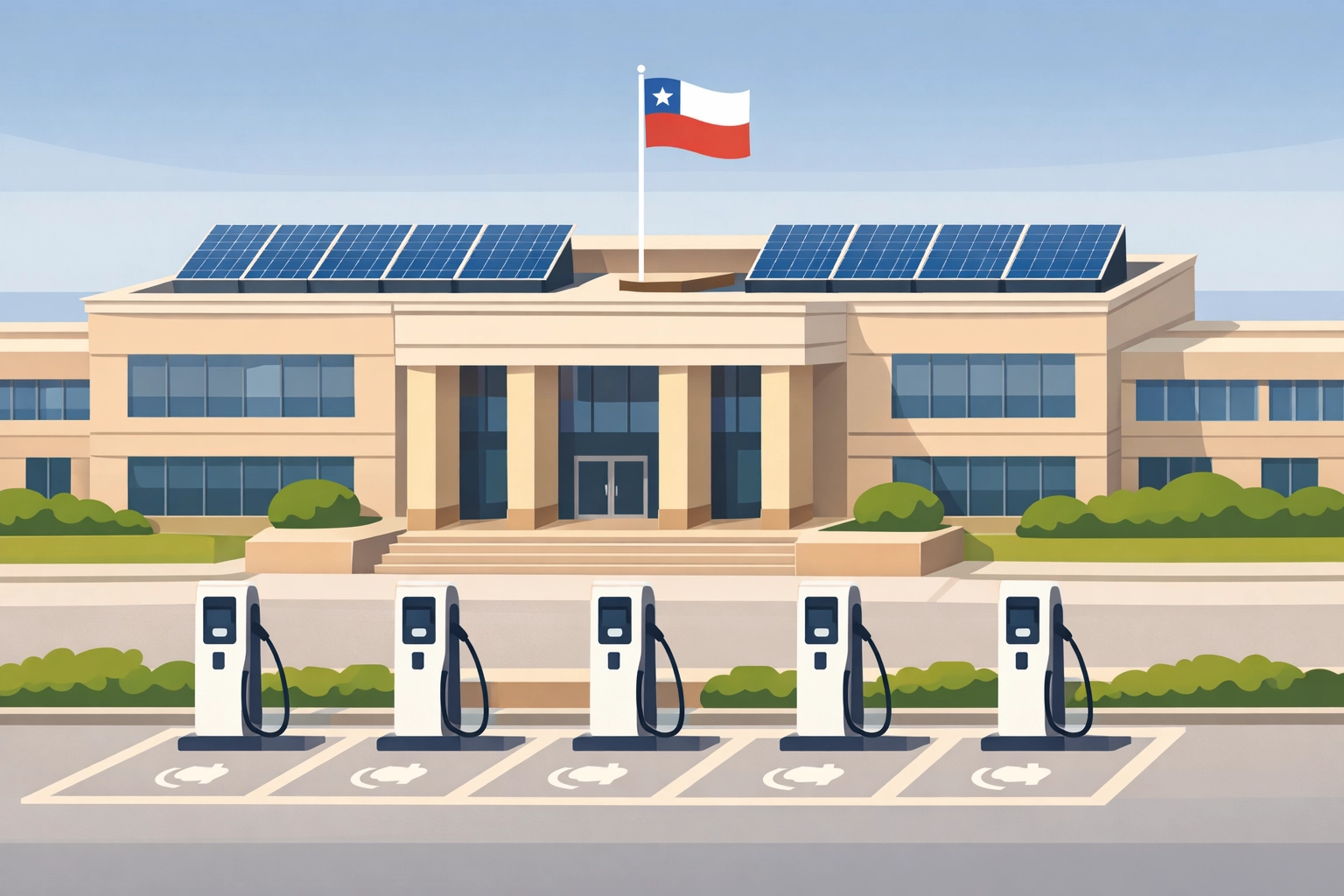
Beyond 2026, the longer game includes achieving a net-zero emissions building portfolio by 2045 (with a 50% reduction by 2032), net-zero from overall Federal operations by 2050 (65% reduction by 2030), and net-zero from Federal procurement by 2050. If you're in government climate policy or tracking how public sector commitments impact private sector strategy, these timelines matter: especially as procurement standards evolve and low-carbon materials become the new baseline. Implementation is being driven by federal leaders working groups, cross-agency collaboration, and updated acquisition frameworks that essentially rewrite the rules of government buying power.
The international picture adds another layer: countries are expected to deliver stronger NDCs by 2026, and the pressure is mounting to show tangible progress toward Paris-aligned targets. Whether you're tracking U.S. federal milestones, UK clean power commitments, or global climate diplomacy, 2026 is the year governments need to prove they're not just talking about net-zero: they're actually moving the needle. For more details on the U.S. Federal Government's comprehensive strategy, check out the official Net-Zero Government Initiative.
