
The UN’s Loss and Damage Fund Is Actually Happening
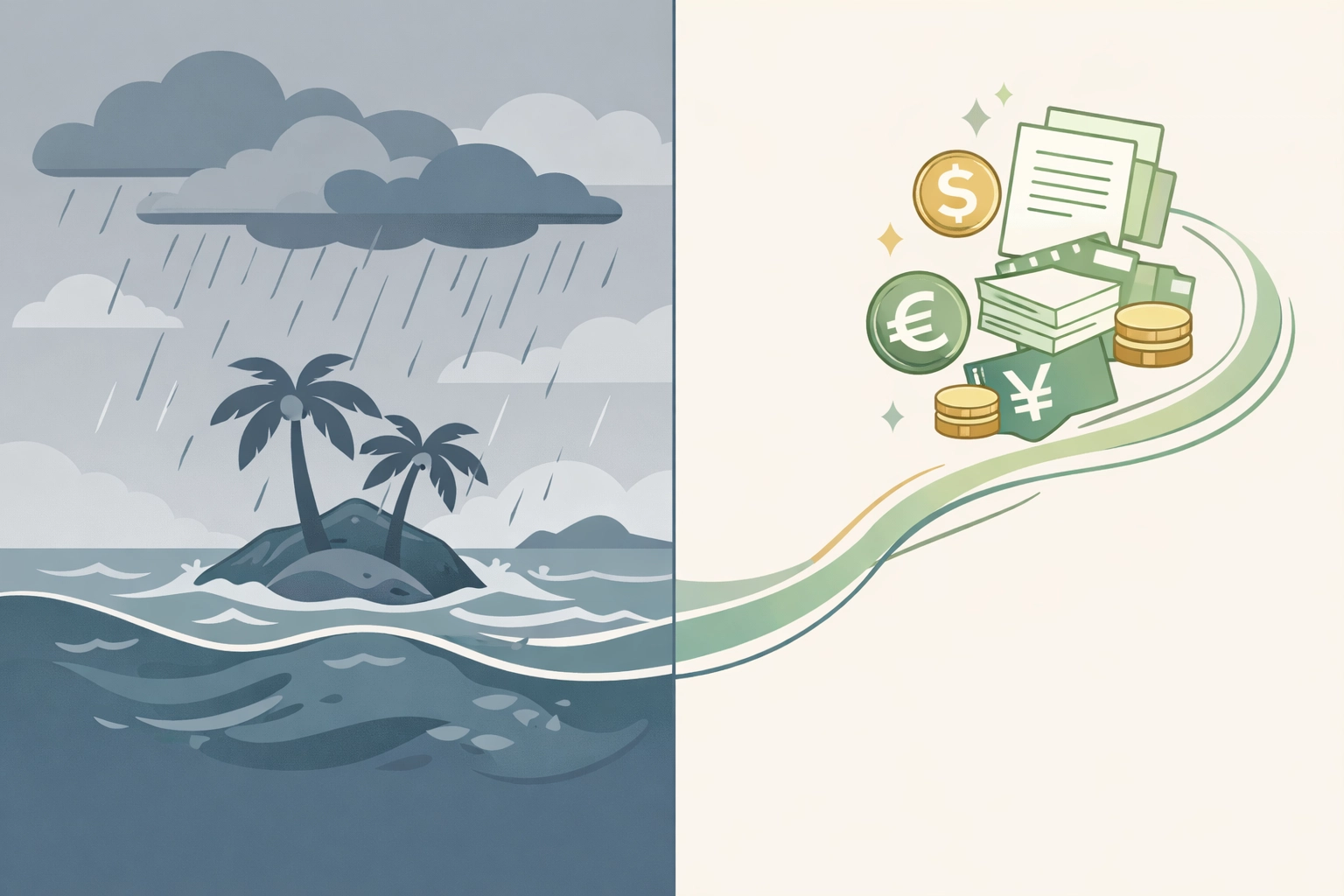
If you’ve been watching climate news lately, you’ve probably noticed everyone buzzing about the UN’s Loss and Damage Fund, and for good reason. After years of negotiations, this thing is finally moving from theory to reality. Applications opened in December 2025, and the fund expects to start cutting checks by June 2026. We’re talking about the first time wealthy nations will directly compensate vulnerable countries for climate disasters that are already happening. Hurricane Melissa just wiped out a third of Jamaica’s economy (nearly $7 billion in damages), while the Philippines got hammered by back-to-back typhoons that killed over 224 people. This isn’t about future risks anymore, it’s about paying for the catastrophic damage happening right now.
The Numbers Tell a Complicated Story
Here’s where it gets tricky. The Fund for Responding to Loss and Damage launched with pledges of nearly $800 million from developed countries, but less than half has actually been collected. And even if every penny came through, experts estimate vulnerable nations need somewhere between $400 billion and $724 billion annually to handle climate-related losses. Yeah, you read that right, billion with a B. Climate activist Harjeet Singh wasn’t mincing words when he said the fund is “starting with a fraction of the scale required” and “has completely failed to function as a rapid response mechanism.” The initial $250 million expected to go out by mid-2026 is a drop in the bucket, but it’s also a crucial test case that could determine whether rich countries actually step up or keep dragging their feet.
Why This Moment Matters More Than You Think
The Loss and Damage Fund represents a massive shift in how the international community thinks about climate responsibility. Previous climate funds focused on reducing emissions or helping countries adapt to future impacts, this one explicitly addresses irreversible damage that’s already done. At least 50% of the funding is reserved for Small Island Developing States and Least Developed Countries, the places getting hit hardest despite contributing the least to global emissions. Nations are actively preparing applications right now, and how this pilot phase plays out will shape climate justice conversations for years to come. If disbursements go smoothly and deliver real results, it could unlock more funding and set a precedent for holding polluters accountable. If it flops, well, that’s another story.
The Bigger Picture on Climate Finance
The brutal truth is that $400+ billion annually is what’s actually needed to address the world’s climate-related losses, and we’re nowhere close to that reality. The Loss and Damage Fund, established at COP27 in 2022, is a historic breakthrough: but it’s also highlighting just how massive the gap remains between what’s promised and what’s delivered in climate finance. For anyone tracking net-zero commitments, carbon markets, or corporate sustainability, this fund matters because it’s forcing uncomfortable conversations about who pays for climate impacts and how quickly money needs to move. Check out the full details on the fund’s operational status to see where things stand as applications roll in.
